A creator-led brand is a company that is created and marketed by an influencer or content creator through the influence of their followers, reputation, and knowledge.
The Rise of Creator-Led Brands: How Influencers Are Moving From Promotion to Entrepreneurship
 Written By Rishika Agrawal
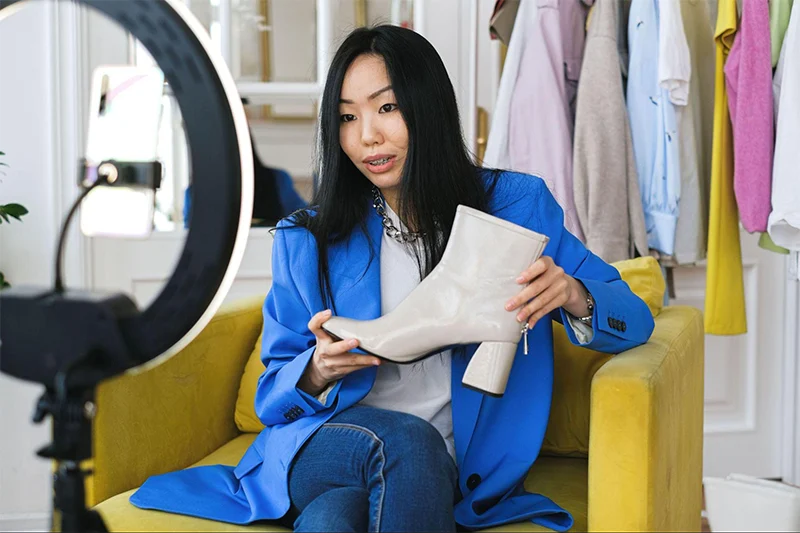
Just a few years back, the role of a creator or an influencer meant promoting a product and waiting for the next brand deal. While this trend still exists, more and more influencers have opted for a far more challenging move, building their own businesses.
Starting from skin care and fashion through coffee, fitness products, dietary supplements, to digital products, creators manage to transform their loyal community into buyers.
The key benefit of doing business in such a way is trust. They don’t just recommend products but make products according to the needs of their followers.
The Numbers Behind the Shift
This is no longer an emerging trend. Estimates put the global creator economy at somewhere above $250 billion in 2026, with projections suggesting it could reach $500 billion by 2030. Some experts even predict the growth of the industry to the trillion-dollar range in the following decade.
Even more interesting information concerns who earns how much. Out of the roughly 200 to 300 million creators worldwide, only about 4% make more than $100,000 a year, while half earn under $15,000. That gap is exactly why so many creators are pushing past brand deals. Sponsorship income is unpredictable and controlled by someone else’s budget. Owning a product line isn’t.
Why Building Beats Borrowing
Here’s the harsh reality of the brand deal situation: the creator does the work, but the brand keeps the customer relationship. A sponsored post might earn a few thousand dollars. A product with real margins, sold to an audience that already trusts you, can earn that same amount every single day.
There’s also a control factor. The brand deals have a certain set of conditions — approved scripts, mandatory disclaimers, timelines set by someone in a marketing department three states away. Launching your own label removes all of that. You decide the price, the packaging, the tone, the schedule. For creators who’ve spent years building a specific voice, that independence is worth more than any single check.
It’s comparable to writing your own novels and your newspaper column, respectively. People love reading free novels online, which is logical. The writer gets ideas from free novels online, writes on any subject desired, and uses a novel-reading website as an inspiration. And novels have many other advantages. A newspaper column—the topic is set, the type of text is determined, and another department handles the marketing. Freedom—that’s the main benefit of creating something from scratch.
How These Brands Actually Get Built
Most creator-led brands don’t start from scratch in the traditional sense. They begin with data. A creator already knows exactly what their audience complains about, jokes about, and asks for in the comments — that’s market research most startups pay agencies to gather.
From there, the typical path looks familiar: partner with a manufacturer or white-label supplier, keep the first product line small and tightly focused, and use existing content channels as the entire marketing budget instead of paid ads. Direct-to-consumer platforms like Shopify made the technical side almost trivial. Something that used to require a business degree and funding has become something that requires just a phone, a supplier, and an audience.
Real Patterns, Not Just Anecdotes
Beauty and wellness have led the way, largely because trust sells better than ad copy in those categories — nobody wants skincare advice from a stranger. But the pattern has spread. Fitness creators launch apparel and gym gear. Finance creators build apps and courses. Gaming streamers release their own peripherals or snack brands. Even niche hobbyist creators — woodworkers, home cooks, plant enthusiasts — are turning small, loyal audiences into six-figure product businesses.
What connects them isn’t the industry. It’s the order of operations: audience first, product second. Traditional companies build a product, then go looking for an audience to sell it to. Creators reverse that entirely, and it tends to work because they’re not guessing what people want.
The Risks Nobody Posts About
None of this is risk-free, and it needs to be said. Inventory has to be paid for upfront, long before it sells. Supply chain problems don’t care how many followers someone has. And a creator’s revenue is based on a platform’s algorithm, which can shift overnight and quietly cut off the audience a whole business depends on.
There’s also reputational risk that didn’t exist with sponsorships. A bad brand partnership was somebody else’s product failing. When it’s your own product going wrong, it’s personal — customers remember, and refunds, quality complaints, and shipping delays land directly on the creator’s reputation, not a company’s PR team.
What This Means for Traditional Brands
Legacy companies are watching this shift nervously, and for good reason. A creator with 500,000 loyal followers can out-convert a national ad campaign with a fraction of the budget, simply because the trust is already built. In an attempt to capitalize on the creators’ loyal following and prevent them from going independent, some brands have started to make the creators their partners and co-founders.
At the same time, others have started buying up small creator-led brands outright once they hit a certain revenue threshold, treating them the way tech giants once treated promising startups. Either way, the balance of power has shifted. Creators used to need brands to reach an audience. Increasingly, brands need creators to reach one.
Where This Is Heading
The line between “influencer” and “entrepreneur” is fading fast, and it probably won’t come back. As platforms keep adding built-in shopping tools and payment features, the technical barrier to launching a product in the market will keep shrinking toward zero.
What won’t shrink is the value of genuine trust — and that’s the real asset creators are learning to monetize. Anyone can copy a product formula. But you cannot copy an audience that has been building trust in its creator for years.
Frequently Asked Questions
What is meant by a creator-led brand?
Why would an influencer want to create his brand?
A creator can have more power and control over pricing, products, client interaction, and earning money, rather than depending only on sponsorships and collaboration with various brands.
What kinds of products do creators create?
The most popular categories of such products are cosmetics, clothing, food and drinks, dietary supplements, fitness products, digital products, software, and specialty products related to hobbies.
How does a pre-existing audience enable creators to roll out their products?
The creators have first-hand knowledge about the interests, queries, and concerns of their audiences, which may help them figure out what type of product will appeal to them.
Rishika AgrawalRishika is a content writer experienced in brand development, influencer marketing, and digital marketing. Having worked in the industry of Influencer Marketing for over two years, she has written several blog posts and guides on influencers that have made different brands more aware and interact more with their audience.
Related Posts