They are being targeted by many cyberattackers, and to prevent them, they need to follow robust security measures.
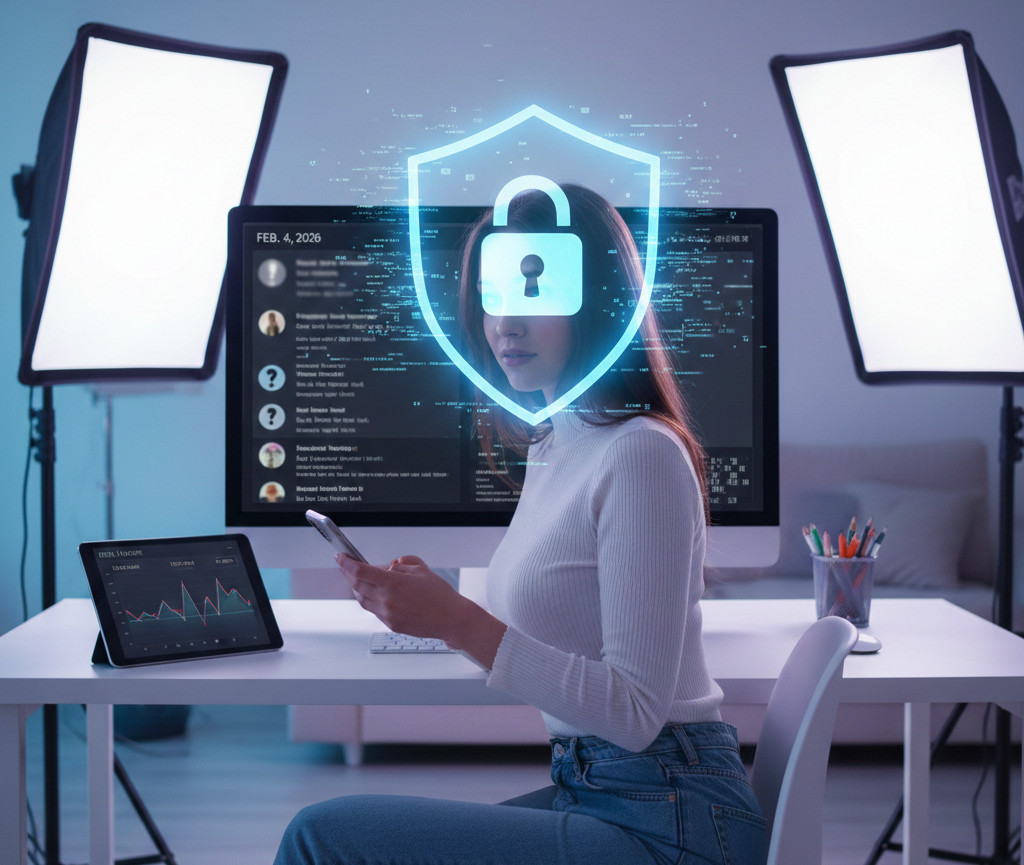
There’s a fundamental thing that a majority of influencers lack, which is the understanding of how both your home WiFi internet service and the 5G magic of your cell phone connect to the World Wide Web. These are just two ways to connect with other people on the internet; however, to an influencer, these minor differences can significantly affect their reputation, access to content, and potentially their ability to get brand deals.
The type of connection also has a direct effect on bandwidth. Influencers must be aware of bandwidth limits in order to prevent them from being flagged as suspicious for not having enough data to sustain a business.
Maintaining the brand value is critical because it will help you earn revenue. Unfortunately, the brand will face litigation if a privacy breach or data loss occurs.
Before any mishap happens, read this article to become aware and save your brand reputation!
KEY TAKEAWAYS
- Home internet can be the easiest way to attack on vunerablities.
- Radio waves in mobile phones are not as protected as you think.
- Always go for reliable network usage, especially for job work.
- Some sensible tradeoffs are speed, battery, and throttling.
What’s Actually Happening With Home Internet
In turn, influencers’ home internet connection provides some stability and a sense of credibility. This connection runs through coaxial, fiber, or DSL cables, and your internet service provider gives your home a residential IP address that is associated with your account and location.
This is more important than you imagine: residential IPs are similar to their long-time acquaintances for websites and platforms. Access with few, if any, additional steps, no same stupid CAPTCHA or login challenges, is more likely to be granted to streaming services, social media platforms, or brand portals.
In terms of speed, fiber connections offer 300-1000 Mbps with 15-20ms latency — perfect for streaming live events, uploading high-resolution media, and federating for any kind of virtual work. Nevertheless, lurking under the surface is a privacy risk. It can also view what you do online, while unprotected home networks are a naked target for hackers or data sniffers.
And this is where programs similar to CometVPN download help. Because they have a chance to encrypt their traffic while their customers value the ideas and success that come with the residential IP. That combo makes it a great option for someone looking for both anonymity and accessibility.
Mobile Networks Do Not Play By The Same Rules
In contrast, mobile connectivity works through radio waves bouncing between cell towers. When you are on the move, it passes your signal from one tower to the next, except in a dead zone or a structure with an unhealthy reception.
IP is the exception: carriers utilize CGNAT (Carrier-Grade NAT), so you are typically sharing an IP with hundreds, if not thousands, of other users. On one hand, this complicates platforms’ efforts to find out who the accounts belong to.
But on the other hand, it complicates activities that require IP dedication, such as unblocking geo-blockers or controlling multiple Social Media Accounts. For influencer types needing a private mobile proxy, options such as dedicated cellular IPs impersonate actual human movements without the restrictions of shared connectivity.
This comes in handy especially for testing out applications, collecting locality-based data, or simply accessing regional accounts without setting off security alerts.
Mobile speeds have increased significantly, but it is still very inconsistent. Standing next to a tower? You will get blazing speeds. In some concrete-block buildings or other crowded areas? Expect drops and buffering.
This fluctuation can interfere with delayed uploads, streaming, or lower the quality of a video for influencers on the go—all of which can impact engagement and professionalism.
The Importance of Your Connection Type to Platforms
Not all traffic is created equal in the eyes of your website and social media platforms. They classify incoming connections & perform different actions based on the IP type. Residential IPs from companies such as Comcast or AT&T are automatically trusted.
Whereas datacenter IPs (from AWS or DigitalOcean) mostly trigger a red flag. Mobile IPs are in the middle, where most actions are assumed to be trusted, but when logging in to a banking app or posting something important, it comes under the scanner.
Technically, this works Kaspersky has analysed IP classification: your IP address shows clues – your identity, your location, and even what type of device you used. As an influencer, this translates into your relationship style affecting everything from algorithmic exposure to campaigns with brands. Facebook, Instagram, YouTube, and TikTok is possible to favor or suppress content based on the trust score of the IP.
Forbes notes that mobile browsing is on the rise and already more than 55% of worldwide web traffic is from phones and tablets. While this transition has caused platforms to accommodate, it has not changed the stigma of cellular connections for activities that require high reliability.
Choosing The Appropriate Connection For The Job
Influencers: If you need home and mobile connectivity, it will be a balanced choice based on what type of job you are doing:
- Stability and Speed: Use for live streams, video calls, or uploading big files – home internet is more stable and faster. This consistency delivers high-quality content with no interruptions.
- On-the-Go Usage: Mobile connections are ideal when you need to bypass geo-restrictions or if you need to manage your accounts while you are traveling. For example, a private mobile proxy will have its own IP, and therefore avoid getting blocked or banned, which is especially useful for influencers working with foreign audiences.
- Privacy and Security – Home networks can be easily snooped on by ISPs, and then, if you go mobile, you have to worry about things like rogue cell towers. Tools like CometVPN download allow you to encrypt your traffic to prevent this problem from happening without significantly losing performance or sacrificing any trust.
Sensible Tradeoffs: Speed, Battery, and Throttling
For homes, it’s relatively consistent with small drops at peak hours. Mobile speeds, on the other hand, vary all over the place as per the number of people using the tower, what kind of barriers there are, and even the weather. Another issue is battery drain: keeping a cellular connection uses a ton of extra power compared to WiFi, and “unlimited” data plans tend to de-prioritize traffic beyond a usage limit.
For influencers, these tradeoffs influence their productivity. You could lose viewers and credibility if a battery runs out of sunshine or your connection is throttled while live-streaming this week. The last connection type balances both: home internet for stability, mobile for flexibility → being ready for whatever is thrown your way.
Where Things Are Headed
The lines between home and mobile connectivity are blurring.
- Fixed wireless (home internet via those same cell towers)
- Starlink (connections powered by satellites)
- 5G home router technologies are changing the definition of “connectivity.”
This evolution provides more opportunities for influencers but also requires more diligence.
For influencers, the future of online privacy and security comes down to adapting: taking advantage of home connections as long as possible, shifting to mobile for the freedom to roam, and maintaining privacy and access through encryption or proxy tools. It strikes a consonance that can help mitigate challenges inherent to the evolving digital landscape without sacrificing the quality of your brand or content.
Frequently Asked Questions
Why do influencers need a strong security policy?
What is the consequence of not paying attention to privacy?
It can even ruin the brand value of the influencer and later reliability needed for earning potential through deals.
What is “doxxing” and why should influencers care?
Doxxing is the public release of private information, such as private phone numbers, often to cause harm or harassment. It can lead to extreme mental health impacts and physical danger.
Related Posts