Look for providers that offer high-speed servers in multiple countries and support for 10+ simultaneous device connections.
The Influencer’s Guide to Caring of Their Online Presence When Working Anywhere
 Written By Gitika Chadha
 Reviewed By: Khushi Choudhary
Influencers are powerful because of their content and their communities. Working from home or from a cafe, co-working space, hotel, or beach with a weak Wi-Fi connection increases the risk. This guide gives influencers easy-to-follow steps that can be put into action right away. They are quick to implement, respect freedom, and are strong enough to protect accounts, brand resources, and followers.
Read this write-up to acknowledge everything about influencers and their online presence!
KEY TAKEAWAYS
- Treat all public Wi-Fi as hostile; always use a high-end VPN to encrypt traffic across all 10+ of your devices simultaneously.
- Move beyond SMS-based 2FA to physical hardware keys to block 99% of automated account takeover attempts.
- Use “delayed posting” and “ghost geotagging” to prevent real-time doxxing while maintaining high levels of audience engagement.
- Always verify payment changes via a secondary voice channel and use escrow services for high-value brand collaborations
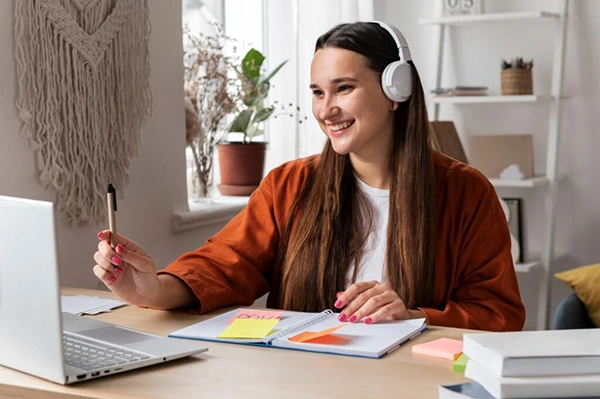
Know the Threat Landscape
Accounts with a high attention rate are prone to phishing, SIM swaps, malicious DMs, and account takeovers.
Scammers acquire stolen accounts to carry out fake giveaways or to perform payment scams. To combat this type of scam, the most effective defense is to be aware of these methods.
Protect Devices First
Use cellular devices (cell phones, laptops, and tablets). Always use encrypted whole disk encryption when possible and secure boot capability, if available. Always set an automatic screen lock for a short idle time.
Maintain systems and applications. Any reputable password manager should be used to generate unique and long passwords for each service. Allow biometrics as a means to add convenience and not as the sole defense.
Safe Networks VPNs, Wi-Fi, and Hotspots
Airports, coffee shops, and hotels are likely to operate on a hostile network and should be assumed to be so until proven otherwise. Using a trusted VPN will encrypt your traffic over open Wi-Fi networks to lessen the chances of your data being intercepted. Always install a trusted VPN app before travelling.
But also keep in mind that if you need a VPN for Windows to work on an open network, you also have other devices. For example, by installing VeePN, you can connect up to 10 devices and protect them all. Most providers either only offer a few devices or support a limited number of operating systems.
Account Hygiene: 2FA, Alerts, and Recovery
Utilizing 2FA on your accounts is not an option. Always use an authenticator app or hardware key, never SMS.
Configure log-in alerts and scan related applications. Keep store recovery contacts and backup codes in an offline location.
Email and DMs: Detect Phishing Easily
The most common attack vector is phishing. Stop at message requests that seem urgent and require credentials and money or urgent action.
Check issuers, and use methods of hovering, confirmation, and voice from features that you are familiar with to verify check senders.
Protect Your Brand Asset
Mirror originals to an encrypted off-line storage or cloud-based storage. Watermark previews or use low-resolution previews.
Restrict any buying ad credits, editing or posting where applicable. Provide access to your partners/collaborators based on predefined roles. Rotate administrative privileges periodically.
Moderating of Content and Reputation Tracking
Set alerts for mentions of your brand and suspicious reposts. Corrective actions require fast detection.
In case scams are posted in a compromised account, stick a correctional message and reach out to support on the platform. Record the history of the screen shots and time.
Safety of Payment and Contracts
Use verified payment methods and always request a formal contract. Never use untraceable payment methods, i.e., gift cards.
Use invoicing sites that do not display the banking information and escrow or milestone payments in large transactions.
Procedures and Protocols of Devices and Teams
Delegated access to systems should be treated like your physical key. Maintain limited customer service roles for the first few customers who you are entrusting your business data.
Make collaborators employ authenticated devices having final codes. De-authorize upon an individual leaving.
Physical Safety and Privacy
Never live in places that you don’t want your friends or family to locate you at. Use geotags to explain your place of residence, your accommodation, or your current age. Post fotografie at a maximum of your desired level of privacy using the process of delay. Use alternative addresses for updated mailing for internet purchase; for example, a friend’s house to avoid doxxing and getting your identity stolen.
How to playbook when accounts are compromised: a quick guide.
Act fast: replace passwords, stop third-party applications, and inform your audience about it in understandable and clear terms. Support of contact platforms with written evidence. Take into account a security consultant in severe breach cases.
Legal and Insurance Notes
When your brand is large, consider cyber liability insurance and the use of legal services to take things down, file DMCA claims, and write contracts. Fulfilling the law regarding data breach by location.
Training and Ongoing Habits
Establish and create a systematic security checklist along with a routine to develop and maintain within current original conditions; ex., update devices and information monthly. Use phishing tests and train managers to verify payment credentials.
Establish minor repeated limits to your customer account; for example, set automatic backups_secure. Have a hard copy of your backup recovery code in a secure place. Set limitations on applications; read your permissions and developer information. Select applications based on privacy policies that are readable.
All creative designing should not be hindered by a maximum secure database.
- The key: keep all creatives signing into two-factor authentication (SPA) when networking with any potentially unsafe networks, and then use your main computer for any security.
- See: risk assessment using two- factor security will minimize exposure & not impair workflow.
When you go to charge at a public charging station, don’t use a juice jack or bring a charging-only cable or portable battery. When you need speed and security, use your phone as a personal hotspot instead of public Wi-Fi. Combined with VeePN VPN, this offers the highest level of security available to the average person.
An emergency response template to use in case of an account hijacking: use a brief pinned post to alert your followers about the attack, warn them not to follow any suspicious links, and have a channel of communication, for example, your verified secondary account or webpage. Such openness maintains trust.
Finally, measure progress. Measure the frequency of updates to credentials, the number of access audits that you pass, and the response rate of your team in exercises. These metrics maintain a proactive and not a reactive security.
Taking Tradeoffs Between Security and Flexibility
Creative flow should not be impeded by strong security. Single-sign-on with 2FA, have a dedicated travel device to use on risky networks, and then use your main device to access something sensitive. This will minimize the exposure and leave your workflow unhindered.
Clarifying an important point about pricing: most strong passwords, VPN programs, and authenticator apps have a free option. Top account hardware keys and secure backup measures are worth investing in as opposed to gadgets.
Influencer Checklist: The Last Thing Before You Go Anywhere
Your content library is your intellectual property; losing it to a server crash or a hack can set your business back years. So consider reviewing this checklist.
- Practice special passwords and use a password manager.
- Allow software-based 2FA or keys.
- Install and enable VPNs and only connect to open Wi-Fi.
- Backups should be encrypted, and monthly test restores should be done.
- Restrict access to the admin and access permissions.
- Train your staff on phishing and payment verification.
- Record brand mentions and take note of incidents.
It is a combination of smart tools, good habits, and policies to keep your online presence safe when you work anywhere. Automate where possible, begin with the essentials, and security should become part of your content strategy.
Frequently Asked Questions
What is the best VPN for travel?
Is public Wi-Fi safe if I have a password?
No, even “secured” hotel Wi-Fi can be intercepted by other guests on the same network. Always use a VPN.
What should I do if my account is hacked?
Immediately freeze your linked bank accounts, notify your audience via a secondary channel, and contact the platform’s “Creator Support” with proof of identity.
How do I prevent doxxing?
Avoid filming recognizable landmarks near your accommodation and use a P.O. Box or professional mailing service for brand packages.
Related Posts