Clarity, Consistency, Content, Credibility, and Connection.
How Influencers Use Analytics to Build Personal Brands
 Written By Gitika Chadha
 Reviewed By: Khushi Choudhary
“Personal branding is the art of becoming knowable, likable, and trustworthy.”
— John Jantsch (Author)
Every famous person you follow on Instagram is, by definition, an influencer. But the more successful ones function differently from the others. With proper branding, they have turned themselves into a small business.
How did they achieve that? By regularly studying numbers around their viewers and followers. When do people watch them? And why?
Data analytics show them all the relevant information around their brand. This allows them to craft a comprehensive strategy concerning their content: what to share and when to build a loyal fanbase, in addition to views and likes.
In this article, I’ll discuss every possible aspect of this topic. From the importance of analytics to its applications and what the future holds for personal branding.

KEY TAKEAWAYS
- Influencers are increasingly using analytics to their advantage.
- A data-driven personal branding strategy is key to a successful influencing career.
- Analytics allow influencers to decide on which type of content to post and when to gain the highest engagement.
- It’s also helping them with collaborations and brand deals.
Why Analytics Matter
Analytics answer who is my audience? Where do they live? What do they react to? What is the platform that provides the highest number of new followers? Simple answers. Big effects. The sphere of influencer marketing has turned into a big and rapidly expanding business – brands and creators see it as a way of advertising since virality and the payoff are important on a business scale.
A Platform and Its Reporting
All popular platforms come with built-in analytics. They show impressions, reach, saves, watch time and retention. Short-form watch time is monitored by creators on TikTok and Instagram; average view duration and click-through rate are the two obsessions on YouTube. Different signals. Different priorities. Make the right choice of the metric.
Influencers of Core Metrics
The core metrics of influencer platforms are as follows:
- Reach and impressions: The number of people who saw the post.
- Engagement rate: likes, comments, shares, saves/followers, or impressions. It demonstrates the dynamism of the audience. Rates differ depending on the platform and the niche. Short-form platforms tend to be more engaged than older networks.
- Watch time/retention signifies the popularity of the video. The more time they spend on the watch, the better placed the platform is to recommend other content to others.
- Follower expansion—natural and organic; trends are important. Post-partnership spikes are proof.
- Traffic and conversions: in-link clicks, coupon carts, or monitored sales. These tie content to income.
The Influence of Analytics on Content Selection
Creators post a variety of content: tutorials, behind-the-scenes, and memes. Then they compare the numbers. Prefer the formats that attract views and clicks. Winning formats repeat, then repeat. In simple language, that is A/B testing.
Also, nano and micro-influencers are smaller creators who receive the highest relative engagement in narrow niches, and brands choose them due to authenticity and affordability.
Beyond Native Analytics Tools
Third-party analytics tools give out additional data insights, and that too about various platforms, not just one. The tool can be a simple spreadsheet or an enterprise-based solutions that display the audience demographics, the optimal posting schedule, and the most effective hashtags or sounds to increase reach. The monetary value of a post can also be estimated using these tools. It usually depends on the engagement and past campaign results.
Math and the Decision-Maker
A compact Google math solver lives inside dashboards and spreadsheets. It runs formulas: engagement rate = (likes + comments + shares) / impressions.
Math extension fits regression lines to predict follower growth from posting frequency. Math AI calculates conversion rates and projects revenue from average order value × conversion rate. That little engine turns raw counts into clear decisions in under a minute.
Audience First Growth Strategies
Followers are not a single block of audience; there are subgroups: fans who save recipes, fans who watch tech reviews till the end, fans who ask questions. The influencers customize the content to the subgroups. They also make the posts during the time their main audience is awake. Reach is boosted when the content goes into the right pockets of people. Small optimizations add up.
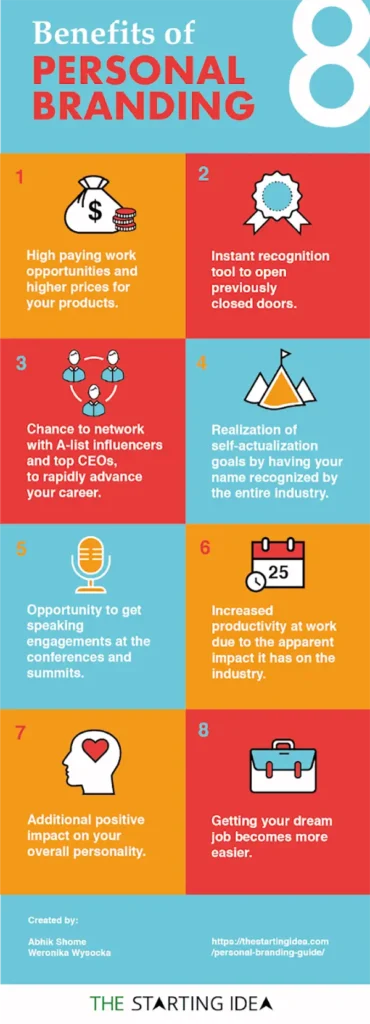
Implementing all these tips can reward you with a successful influencer career with great benefits:
Teamwork and Benchmarking
Precise data also favour collabs. Analytics can indicate an overlap in the audience. Marketers and artists compare their performance with category levels, which are defined by the prices charged and objectives achieved.
As an example, creators and marketers often use platform benchmarks to determine when a campaign is performing above or below expectations.
Negotiating Deals With the Help of Analytics
High numbers directly translate to high audience trust. An influencer can use a clear analytics report to gauge engagement and conversion rate, and audience age to justify his/her pricing.
Brands prefer transparency. If an influencer demonstrates that other such campaigns gave quantifiable sales or leads, they get more favorable terms.
Familiar Errors and the Correction Through Analytics
Influencers make some common mistakes while working with analytics:
- Error: concentrating on the number of followers. Fix: instead measure engagement and conversions.
- Error: not paying attention to unfavorable feedback. Fix: keep an eye on sentiment and comments; change format when you annoy followers.
- Error: imitating trend blindly. Fix: test trends to fit – with the help of analytics, make sure that a trend is performing well with your audience before chasing it.
Audacious Applications: Prediction and AI
AI is being introduced into these influencer platform analytics as well. Predictive models can easily tell whether a post will perform well or not. Influencers are employing AI to gauge the group interest of the audience.
This, in turn, helps in ideating tailored content. The brands are increasingly using machine learning on influencer platforms to allocate creators to campaigns and predict a campaign’s ROI. Such systems are not magic; these are scaled statistics and pattern matching. Nevertheless, they accelerate intelligent decisions when used with human intuition.
Success Measurement: ROI and Value in the Long Term
Everyday numbers matter. But it’s the overall long-term trend that decides the success of your personal branding.
Posts are tracked by tracking pixels, affiliate links, and unique promo codes, which are connected to sales. Brand awareness increases gradually. Long-term effects of influencer work are more often on recall and consideration rather than immediate purchases. According to many marketers, influencer campaigns are safe to pay a good ROI in the long run.
Quick Creators Practical Checklist
Use the following checklist to use analytics to your advantage in pushing your influencing career forward:
- Implement platform analytics and assess weekly.
- Monitor the rate of track engagement and watch time, as opposed to the number of followers.
- Conduct uncomplicated A/B tests: two captions, two formats. Keep the winner.
- Store campaign-level data on a spreadsheet. Compare month-over-month.
- Third-party solutions are required in cases of cross-platform view or advanced audience reviews.
One Last Thing About Storytelling and Data
Numbers satisfy the brain, but the heart requires true emotions. Ideal personal brands combine scientific experimentation with sincere narration. The analytics identify what works; what makes people stay authentic. Use both. Welcome to what the figures praise. Perfect what the heart requires. Grow steadily.
Frequently Asked Questions
What are the 5 Cs of personal branding?
How to build a personal brand on social media?
First, define a niche and voice. Then post valuable content to build audience trust.
What is the 3-7-27 rule of branding?
The rule says that people need 3 interactions to notice you, 7 to remember you, and 27 to trust you.
Related Posts